
Digitization in a Box
Introduction
FLVC unlocks the world of digital archiving for members with a comprehensive Digitization in a Box set, available for in-house use at member libraries! Each set includes everything a library needs to digitize collections safely and efficiently. This effort increases the capacity of FLVC libraries across the state to digitize their local history and resources. The program includes a circulating collection of scanning equipment to digitize photos, documents, and slides.
Digitization in a Box’s contents are designed to make archive creation more accessible and give member communities the resources they need to begin sharing their stories digitally. This program provides libraries with access to scanning resources without having to invest in costly equipment and was designed to increase the capacity of FLVC’s libraries to digitize, provide access to, and preserve their local history collections. Participants work toward a shared goal of creating, maintaining, and expanding a successful and thriving statewide system that provides access to Florida’s digital collections and archives.
FLVC's Digitization in a Box program enables sustainable digital accessibility, cultural heritage resource exchange, incorporation of materials from a spectrum of locations and viewpoints, and research support for individuals seeking information and resources related to Florida’s history and unique communities.
Program Purpose
The Digitization in a Box Project allows FLVC Member Libraries to borrow scanning equipment, a laptop, and software from FLVC to start a new digitization project. Staff from institutions who participate in this program will be provided virtual training from DS+OER staff on best practices of scanning, workflows, metadata, and promotion. The purpose of this new program is to encourage members to make available digital collections to support the educational, research, and informational needs of our community members. Collections will need to be made searchable through the Florida Open Academic Library (FOAL) and may be made available to the Digital Public Library of America (DPLA). Members may elect to host content with FLVC through our FL Islandora 2.0 platform.
The Digitization in a Box Project allows institutions with limited resources an opportunity to highlight their unique collections. Equipment will be loaned for 6 months with virtual training and set-up; this program is available to FLVC member libraries, which includes all 40 public post-secondary colleges and universities. Many of which partner with local archives, historical societies, culture centers, and museums.
Digitization outcomes will provide members with increased access and preservations of their unique and special collections. Libraries, museums, and archives often have photographs, newspapers, local histories, maps, institutional records, and/or genealogical documents that could reach a wider audience if digitized and made available online. Digitizing collections is not only a great way to increase access to member’s materials it also engages patrons on a whole new level and helps communicate the library's value. This model of support builds on the success of several ongoing public library system-driven projects.
Note: Digitization in a box should be returned to the FLVC Tallahassee office once the loan period ends. Send a message to help@flvc.org when you are ready to return the materials, and a DS + OER team member will give you the address and contact person at FLVC.
Contacts
Rebel Cummings-Sauls, rsauls@flvc.org
Elisabeth Ball, eball@flvc.org
Digitization in a Box aims to increase the capacity of FLVC Member libraries to digitize their local history/resources and make them available online through FOAL. FLVC will distribute digitization kits to our member libraries. Kits will include a basic flatbed scanner and other equipment for scanning two-dimensional photos and documents. When equipment is received, the DS+OER unit will provide virtual training on how to use the scanner, the software, and what metadata to include in platform uploads. In addition, the unit will provide a toolkit to support outreach activities that introduce the basic concepts of digitization, accessibility, and preserving digital content in order to help members communicate digital preservation and stewardship concepts and issues to their communities.
FLVC will provide support for:
- Useful and accurate content
- Rare and unique items
- Materials that have a potential for enduring value
- Materials that are beneficial to FL and/or the institution’s community members
Loans may be limited to materials that will be made publicly available online. Institutions must have the rights needed to provide unrestricted public access to the digitized materials.
Who Can Apply
Any FLVC Member library that would like to digitize a collection and needs the technology, training, and support!
Guidelines
1. Eligibility: The Digitization in a Box Project equipment is available free of charge to FLVC member libraries who have completed a proposal form and loan agreement. Acceptable projects will follow the goals of this project and the collection policy of the institution. Generally, content should include materials in the public domain, properly licensed, or ones the library may have written permission to digitize. The content of materials should be part of your institution, of interest to Floridians, and/or support the educational, research, and information needs of the people of the state.
2. Equipment usage: Equipment is available to institutions to digitize cultural heritage materials that will be made public through the Florida Open Academic Library and any other accessible forum the institution chooses.
3. Equipment reserve, pick up and return: Equipment will be reservable by completing an application/proposal form and working with DS+OER staff to have key staff attend virtual training on the equipment and best practices. The member organization and FLVC will work together to determine whether equipment is picked up and returned to FLVC or delivered to and from another FLVC member location.
4. Loan period: The standard loan period is 6 months. Longer loan durations may be approved upon request.
5. Training: Entities who use the Digitization in a Box Project equipment are required to have at least one staff member and ideally all staff who will be working with the equipment to attend a half-day virtual training session with DS+OER staff on equipment use and digitization best practices.
6. Signed statement: An authorized institution representative is required to sign a loan agreement acknowledging receipt of the equipment and the terms of the loan before the equipment is lent - including financial responsibility for damaged or lost equipment. Institutions will also sign to indicate they have the rights to put the scanned materials online. Equipment will be initially checked by FLVC staff to confirm its good condition before a loan is made. Borrowing institutions are fiscally liable for any damage or missing cables or components.
7. Return: Borrowing institutions are responsible for any items not returned or requiring repair or replacement. FLVC will inspect all equipment upon return receipt.
Proposal Requirements
The project proposal should include descriptions of the following elements:
- Materials: (description of materials, including type of material, content, number of items)
- Significance: (what is the significance of these materials to your library, community, state)
- Staff and Workflow: (description of who will be involved in the project; including scanning and metadata, partnerships, timeline of project, and promotion opportunities)
The proposal is to be submitted within the application form, available on this page: Digitization in a Box Proposal Form
FLVC will be providing 6 toolkits for use anywhere around the state. There are three different types of kit. Below find the contents of each kind of kit.
DIAB 1
- Professional Scanner Studio Box
- ET Series Professional Book Scanner
- Laptop (Dell Latitude 5550)
- Software (pre-loaded) CZUR Scanning Software
DIAB 2
- Epson 13000XL Archival Scanner
- Laptop (Dell Latitude 5550)
- Software (Pre-loaded) Silverfast 9 Scanning Software
DIAB 3
- Epson Perfection V850 Pro Photo Scanner
- Laptop (Dell Latitude 5550)
- Software (pre-loaded) Silverfast 9 Scanning Software
Individual Documentation for DIAB Kits
-
DIAB 1 User DocumentationInstructions for using the DIAB 1 Kit
-
DIAB 2 User DocumentationInstructions for using the DIAB 2 Kit
-
DIAB 3 User DocumentationInstructions for using the DIAB 3 Kit
FLVC Library Services Member Guidance
Dedicated, permanent staff can be a critical first piece of a new program. Temporary or student staffing should be used to support and not manage this type of service. If you must rely on temporary staffing it is crucial to document the workflow and decisions, including where digital files are stored, which type of file you created (i.e. master, access, edited), content rights, use permissions, and all contracts/paperwork.
Can we use existing facilities/staff, or do we need to hire?
Equipment is an obvious and important part of digitization. Please reach out to members to discuss their experience with equipment before making a new purchase.
- What are the minimum quality standards for finished digital items (e.g. do they need to be FADGI-compliant or will a lower set of internal standards do)?
- Is vended scanning a plausible component of the project? (could be all or partial depending on legal status, condition, and rarity)
- Do you need to arrange for new space and equipment?
A digital asset management system (DAMS) will provide discovery and access to your digital collections and archives. Public post secondary institutions in Florida may set up one FL-Islandora site per institution, contact help@flvc.org for assistance.
A good first step is to set strategic direction for your services by answering these questions:
- Who are the stakeholders?
- What are the scope, scale, and expectations?
- What is the level and duration of funding?
Look around at what others are doing. Digital projects and programs that impress you are a great resource for strategic planning. Contact them to talk and found out: What did they do? What do they recommend? What didn’t work for them?
It's okay to build digital collections project by project. You do not have to have a full program planned out to begin. Start with what's important, has funding, and/or is in a deteriorating state. You can find webinars on digital project selection and planning here from FSU: https://swfln.org/recorded-webinars/
CARLI and FLVC Summer Digitization Series
 Dive into Digital
CARLI and FLVC were pleased to host the Summer Digitization Series: Dive into Digital!
Together we spent Wednesdays in June and July learning about integrating AI into digital collections, understanding the journey of transforming analog resources into digital formats, and attending showcases of four spectacular digitization projects at Northwestern University Libraries, University of Chicago Library, Abraham Lincoln Presidential Library and Museum, and Illinois Wesleyan University.
Integrating AI into Digital Collections: Strategy and Practice at Yale Library
June 11, 1:00 p.m. Central Time / 2:00 p.m. Eastern Time
Mike Appleby, Director of Software Engineering, and Jonathan Manton, Director of Digital Special Collections and Access at Yale Library, will explore the thoughtful integration of artificial intelligence into Yale Library’s digital collections ecosystem.
Mike will introduce a prototype application, Digital Collections AI, which leverages large language models (LLMs) to analyze OCR-transcribed texts from Yale’s digitized collections. This tool can rapidly summarize content, extract entities such as people, places, and subjects, and even perform stylistic analyses, thereby enhancing researchers' ability to explore and interpret vast amounts of digitized material.
Jonathan will provide strategic context, outlining how this tool aligns with Yale Library’s broader goals for responsible innovation and sustainable stewardship of the library’s digital collections. Together, they will reflect on the opportunities and challenges of embedding AI in cultural heritage workflows, offering insights for institutions navigating similar paths.
This webinar began the Summer Digitization Series: Dive into Digital, a joint effort of FLVC and CARLI to share digitization programming on Wednesdays in June and July.
Speakers:
Michael Appleby is the Director of Software Engineering in Library Information Technology at Yale University Library. His previous roles at Yale include Head of Information Technology at the Yale Center for British Art, and Associate Director in Yale's Information Technology Services unit. He is also an editor of the International Image Interoperability Framework (IIIF) technical specifications. Michael has an M.Phil. in Classics from Yale.
Jonathan Manton is Director of Digital Special Collections and Access, for the Beinecke Rare Book and Manuscript Library, at Yale University. In this role he leads a unit that provides leadership, services and strategic direction that facilitates access to digitized and born digital special collections content across Yale Library. Jonathan’s previous roles include Associate Director for Special Collections at the Gilmore Music Library at Yale University. In this role he oversaw Music Special Collections (including Historical Sound Recordings and Oral History of American Music) at Yale, including arrangement and description, preservation, digitization, access, research services, and exhibits. Before joining Yale, Jonathan was Sound Archives Librarian at Stanford University's Archive of Recorded Sound. Jonathan serves on the Executive Committee of the International Image Interoperability Framework (IIIF) consortium. Jonathan received his MSc in Information and Library Management from the School of Computing, Engineering, and Information Sciences at the University of Northumbria, UK and MMus in Electroacoustic Music and Sonic Arts from the University of East Anglia, UK.
From Analog to Digital: The Journey of Digitization
July 2, 1:00 p.m. Central Time / 2:00 p.m. Eastern Time
This presentation explores the transformative journey from physical to digital formats, using the George A. Smathers Libraries at the University of Florida as a case study. We will walk through the step-by-step digitization process, from selection and preparation to capture, metadata creation, and long-term digital access. Attendees will gain insight into the key tools and technologies that power modern digitization workflows. The session will also highlight critical questions institutions should ask before launching a digitization project—such as identifying priorities, planning for scalability, and ensuring accessibility. Whether you're just beginning or refining your digitization strategy, this session offers practical guidance rooted in real-world experience.
Speaker:
Laura Perry is the Head of Digital Services at the University of Florida, where she leads a team dedicated to the digitization and digital preservation of scholarly and cultural heritage materials. In this role, she oversees the ingestion of content into the UF Digital Collections (UFDC) and the Digital Library of the Caribbean (dLOC), ensuring broad access to digital resources that support research and education.
Laura holds a Bachelor of Science in Graphic Media from the Rochester Institute of Technology and brings over fifteen years of experience in program management and digital services. Her work continues to advance the accessibility, sustainability, and impact of digital collections in academic and global contexts.
Digitization at the National Archives
July 9, 1:00 p.m. Central Time / 2:00 p.m. Eastern Time
Denise Henderson will discuss the history of the National Archives and Records Administration's (NARA’s) digitization program, including the design and creation of a state-of-the-art Digitization Center at the agency’s College Park facility. She will also highlight some of the major digitization projects that NARA has undertaken to make more records available online and available to everyone.
Speaker:
Denise Henderson, is the Director of Digitization for Research Services at the National Archives and Records Administration (NARA). In her role, Denise coordinates digitization efforts in Research Services to align with NARA's strategic goals and initiatives. These efforts include centralized mass digitization projects involving Research Services holdings, including textual, special media, and microfilm materials. From 2011 to 2018, Ms. Henderson worked in NARA's Office of Innovation in various roles. From 2007 to 2011, Ms. Henderson was a processing Archivist in the Textual Services Division where she successfully completed the Archivist Development Program (ADP) in 2010 before attending the Archives Leadership Institute in 2011. She graduated from the University of Maryland with a Masters of Library Science with a focus on archives in December 2006.
Digitization Projects Showcase 1
July 16, 1:00 p.m. Central Time / 2:00 p.m. Eastern Time
The CARLI Preservation Committee is delighted to showcase digitization projects at Illinois libraries as part of the Summer Digitization Webinar Series: Dive into Digital in partnership with the Florida Virtual Campus.
Project 1: “Using Multispectral Imaging to Augment Digitized West African Manuscripts” presented by Stephanie Gowler and Nicole Finzer, Northwestern University Libraries
The Herskovits Library of African Studies at Northwestern University Libraries (NUL) is home to over 3,000 Arabic script materials from West Africa. The size, scope and uniqueness of these collections, along with increasing global scholarly interest, make them a priority for conservation and digitization. The NUL Preservation Department has begun capturing multispectral images (MSI) of the collections using a VSC®80 forensic questioned document examination workstation. The VSC®80 allows us to quickly and consistently capture and annotate a wide range of MSI which make visible watermarks, inks, evidence of burnishing, and other materiality of the manuscripts. These MSI are being integrated into the digital repository alongside the digitized West African manuscripts and offer new avenues for research. This talk will highlight the collaborative efforts to treat, re-house, and image Paden 417 (مختصر في فروع المالكية), a copy of the “Mukhtasar” of Khalil b. Ishaq b. Musa al-Jundi, a fourteenth-century handbook of Maliki legal principles.
Project 2: “Collaborative Preservation at the Crossroads of Science and History: Digitizing the Barnard Atlas” presented by Christina Miranda, University of Chicago Library
The Yerkes Observatory Glass Plates Digitization Project at the University of Chicago Library highlights the unique intersection of scientific and historical significance in its collection of historical astronomy glass slides. Christina Miranda will discuss strategies to support astronomy researchers and historians through thoughtful digital preservation and enhanced access to the glass slides featured in Edward Emerson Barnard’s A Photographic Atlas of Selected Regions of the Milky Way, commonly known as the "Barnard Atlas."
Speakers:
Stephanie Gowler is the Book & Paper Conservator for Northwestern University Libraries.
Nicole Finzer is the Lead Digital Projects & Outreach Librarian for Northwestern University Libraries.
Christina Miranda is the Head of Digitization at the University of Chicago Library, overseeing all preservation digitization activities. Her work focuses on building digital collections that preserve and enhance access to the Library's physical collections. Christina holds an MS in Historic Preservation with specializations in Digital Cultural Heritage and Recordation. In 2023, she led the digitization efforts for the NEH Mapping Chicagoland grant, ensuring the preservation and fidelity of the digital files. Prior to her current role, Christina directed a project for the Edsel and Eleanor Ford Foundation, digitizing the Henry Ford photographic archive to assist in the restoration of the Henry Ford Home in Dearborn, MI.
Digitization Projects Showcase 2
July 23, 1:00 p.m. Central Time / 2:00 p.m. Eastern Time
Join the CARLI Preservation Committee for a second showcase of impressive digitization projects at Illinois libraries. This webinar is part of the Summer Digitization Webinar Series: Dive into Digital in partnership with the Florida Virtual Campus.
Project 1: “Picturing Lincoln: Digitizing a Physical Collection at the ALPLM” presented by Kelsey Wise and Matthew Deihl, Abraham Lincoln Presidential Library and Museum
The initiative to digitize the Abraham Lincoln Presidential Library and Museum’s ‘Picturing Lincoln’ collection was a large undertaking but well worth it for the preservation and accessibility of the collection. The Picturing Lincoln online collection reduces the wear and tear of handling the physical materials while also removing the barrier of location-based, in-person only access to audiovisual materials related to Abraham Lincoln. A generous grant from the Illinois State Library made the work possible. Kelsey Wise and Matthew Deihl will cover the entire process of digitizing this archival collection; from applying for the grant that funded the work and procuring a vendor to scan the materials to creating and promoting the online collection.
Project 2: “Building a 3D Archival Collection: Experiential Student Learning with the Curtis Trout Collection” presented by Abigail Mann, Liz Bloodworth, and Dagan Turcotte-Cutkomp, Illinois Wesleyan University
Rooted in the goals of preserving and presenting university history by creating a digital archive of the Curtis Trout Collection, Abigail Mann and Liz Bloodworth will share Illinois Wesleyan University’s endeavor to address the challenges of 3D digitization and narrative storytelling in the digital humanities through an experiential learning opportunity for an undergraduate student. Over his 30-year career as a scenic designer and theater professor at Illinois Wesleyan University, Curtis Trout created more than 100 designs for the School of Theatre Arts and amassed an impressive archival collection of his work that surpasses the amount of physical space available in the University Archives. The physical reality of that collection necessitates the development of workflows and strategies to digitally preserve a wide array of materials, many non-textual, in a way that prioritizes accessibility and engagement.
Speakers:
Kelsey Wise is an Audiovisual Librarian at the Abraham Lincoln Presidential Library and Museum (ALPLM). She took the lead on ALPLM’s Picturing Lincoln project when its progress had been stalled due to staff turnover and an unfortunate hard drive crash. With the assistance of her colleague and fellow Audiovisual Librarian, Matthew Deihl, the digitization for the project was complete. Digitizing materials from the audiovisual collection to fulfill patron photo duplication requests is also a part of her everyday work.
Kelsey earned her Master of Science in Library and Information Science from the University of Illinois at Urbana-Champaign. She lives in Springfield, Illinois with her husband, Tyler, and their pets: a snake named Cecil, a cat named Hekapoo, and a dog named Fennec.
Matthew Deihl has served as an Audiovisual Librarian with the Abraham Lincoln Presidential Library for 1 ½ years. During this time, he has digitized countless images from ALPLM’s Audiovisual Collection for use by researchers from around the world. He understands that creating digital surrogates reduces the need to handle the physical items, thus preserving them into the future. That is why he was more than happy to work with his colleague and ALPLM’s other Audiovisual Librarian, Kelsey Wise, to see the Picturing Lincoln digitization project come to fruition. With 1,001 records already uploaded to Picturing Lincoln’s digital collection in the Illinois Digital Archives, he continues the behind-the-scenes work to upload the remainder of the collection soon.
Matthew earned a Master of Arts degree in Library and Information Science from University of South Florida’s School of Information. He loves music, movies, and playing with his daughter.
Abigail Mann is the Digital Scholarship Librarian at Illinois Wesleyan University. Prior to receiving her MSLS, she was a tenured English professor, and has taught a broad variety of courses in diverse formats. As a Digital Scholarship librarian, a significant research focus has been on creating digital scholarship partnerships between teaching faculty and librarians to support innovative research and pedagogy, particularly at less resourced institutions. She has also built a Digital Humanities program at IWU that has offered 10-12 students/ year the opportunity to develop and execute a DH project. She also provides pedagogical support for digital projects across the curriculum, ranging from International Education to English to History.
Liz Bloodworth is the University Archivist and Special Collections Librarian at the Ames Library at Illinois Wesleyan University. She holds an MA in History from Illinois State University and an MLIS with an emphasis in Archival Studies from the University of Missouri - Columbia. Prior to her position at IWU, she worked in special collections and regional museums. Her research interests include primary source literacy instruction, building more representative collections, and the use of digital tools, including artificial intelligence, in archival description and outreach.
Dagan Turcotte-Cutkomp is entering graduate school at the University of Illinois - Urbana Champaign this fall to study Library and Information Science. They recently graduated with a bachelor's degree in History and Music from Illinois Wesleyan University, where they worked in the Tate Archives & Special Collections for four years.
 Funding to Preservation: A Digital Content Life Cycle Webinar Series
CARLI and FLVC were pleased to host a 6-part Funding to Preservation: A Digital Content Life Cycle Webinar Series!
We spent Tuesdays summer of 2024 learning about: grant opportunities to fund digitization, workflows for processing born-digital materials, digitization best practices, digital preservation basics, and the importance of metadata in digital content.
Grant Opportunities with the National Historic Publications and Records Commission
June 4, 2024, 9:00 a.m. Central Time / 10:00 a.m. Eastern Time
In this Funding to Preservation: A Digital Content Life Cycle Series webinar, learn more about exciting grant opportunities with the National Historic Publications and Records Commission, the grant-making arm of the National Archives. In this session the Director for Publishing Programs will talk about their program to support Collaborative Digital Editions. The goal of this program is to provide access to, and editorial context for, the historical documents and records that tell the American story. Projects may focus on broad historical movements in U.S. history, including any aspect of African American, Asian American, Hispanic American, and Native American history, such as law (including the social and cultural history of the law), politics, social reform, business, military, the arts, and other aspects of the national experience.
Speaker:
Julie Fisher is an historian, educator, and now serves as the Director for the Publishing Program at the National Historical Publications and Records Commission, a division of the US National Archives in Washington, DC. The publishing program provides access to, and editorial context for, the historical documents and records that tell US history.
Processing Born-Digital Materials
June 11, 2024, 10:00 a.m. Central Time / 11:00 a.m. Eastern Time
This Funding to Preservation: A Digital Content Life Cycle Series webinar will detail the workflows used by the team at University at Buffalo's Special Collections to process born-digital records such as working with donors, initial collection review, describing digital records, and working with hybrid collections.
Speakers:
Sarah Cogley is the Digital Archivist for the University at Buffalo Special Collections. Sarah’s responsibilities include preserving, processing, and providing access to unique digital resources, both digitized and born digital. She also provides leadership on digital collections and digital preservation standards and policies. Sarah holds an MSIS from the University at Albany, the SAA’s Digital Archives Special certification, and is a Certified Archivist.
Grace Trimper is the Digital Archives Technician for the University at Buffalo Special Collections. Grace works to preserve and provide access to digitized and born digital material held by University Archives, the Poetry Collection, and the History of Medicine Collection. She also collaborates with the Digital Archivist to develop and maintain best practices for processing, preservation, and digitization.
Digital Preservation Basics with Storage Media and Digital Forensics
June 18, 2024, 10:00 a.m. Central Time / 11 a.m. Eastern Time
This Funding to Preservation: A Digital Content Life Cycle Series webinar will introduce you to the basics of digital preservation. It will empower those without a background in computers or coding to feel confident doing digital preservation in archives! The presentation will help identify different storage media encountered in archival collections as well as introduce digital forensics tools to help with data integrity and authenticity. Finally, participants will have an opportunity to experiment with Library of Congress’s Bagger software to demonstrate how you might transfer files safely off hardware and generate metadata while you do it!
Speaker:
Ashlyn Velte is the Senior Processing Archivist and Assistant Professor at the University of Colorado Boulder Libraries Rare and Distinctive collections. She is responsible for processing planning, collection management, and setting local processing workflows based on professional standards. Her areas of research include social media archiving, digital archiving with limited resources, and access to collections with and privacy. She graduated from University of North Carolina at Chapel Hill in 2016 with her MSLS and a certificate in Digital Curation.
Newspaper Digitization and Preservation at Illinois
July 16, 1:00 p.m. Central Time / 2:00 p.m. Eastern Time
In this Funding to Preservation: A Digital Content Life Cycle Series webinar, William Schlaack will detail newspaper digitization experiences and best practices at the University of Illinois. William will describe the selection, collation, quality control, and digital preservation elements to newspaper digitization. Special attention will be given to the work done as a part of the National Digital Newspaper Program.
Speaker:
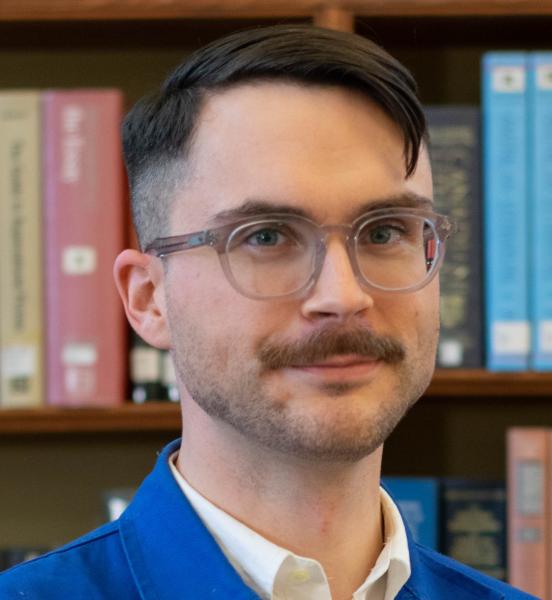
William Schlaack is the Digital Reformatting Coordinator and Coordinator for Digital Preservation Services at the University of Illinois. He discovered his passion for preservation while working in archives during his senior year of college, leading him to attend the University of Illinois and graduate with an MSLIS in 2012. William now oversees large scale digitization and reformatting projects, including working with the National Digital Newspaper Program, Internet Archive, and HathiTrust.
Metadata in Digital Content: A Look at Shareable Metadata in Aggregation Services
July 30, 1:00 p.m. Central Time / 2:00 p.m. Eastern Time
In the life cycle of digital content, shareable metadata is an important part of the process of both digitized and born-digital content to enable users to find the digital objects. Furthermore, metadata can be shared beyond the original environment to make the digital objects available to a larger audience, such as through aggregation services like the Digital Public Library of America (DPLA). In this Funding to Preservation: A Digital Content Life Cycle Series webinar, Megan Pearson, Project Coordinator for the Illinois Digital Heritage Hub (IDHH), the Illinois Hub for the DPLA, will share her experience with aggregating metadata and working with metadata created by other institutions, including standardization practices and methods used by the IDHH, and offer some thoughts on how to create shareable metadata across environments.
Speaker:
Megan Pearson is the Project Coordinator for the Illinois Digital Heritage Hub (IDHH), where she coordinates the administration, aggregation (including the metadata standardization and ingest process), content curation, and outreach and promotion for the IDHH. She joined the IDHH as Metadata Manager in 2020. While pursuing her MSLIS, Megan worked in the University of Illinois Urbana-Champaign Library as Project Manager and Technical Graduate Assistant for the National Digital Newspaper Program. Prior to libraries, Megan studied early modern British literature and hand-press printing.
Digitization Resources
-
Best Practices and Planning for Digitization ProjectsThe long term viability of digital collections will be ensured only by considering, from the beginning, the ramifications of the initial decisions you make throughout the process. A well-developed project plan, that takes into consideration all the factors and problems of your digitization project, will be the most important document you create.
-
A Framework of Guidance for Building Good Digital Collections (Link opens a PDF)This Framework of Guidance for Building Good Digital Collections has three purposes: 1.To provide an overview of some of the major components and activities involved in creating good digital collections. 2.To identify existing resources that support the development of sound local practices for creating and managing good digital collections. 3.To encourage community participation in the ongoing development of best practices for digital collection building.
-
FSU's modified FADGII Set of GuidelinesSee an example of how one FL institution has used the open license to modify the guidelines to their local settings and environment.
-
Planning for DigitizationThis link will go to a YouTube video. This is the first module in the Public Library Partnerships Project curriculum, given by Jennifer Birnel, Director of the Montana Memory Project. It covers: advantages of digitization for your institution; value of digitization partnerships; tips for project planning. The Public Library Partnerships Project curriculum is intended for cultural heritage professionals who are new to digitization. It was designed to provide useful conceptual and practical information about each stage of the process to a beginner audience.
-
Preservation Guidelines for Digitizing Library MaterialsIn keeping with the goals of preservation and access at the Library of Congress, original collection materials are digitized for a variety of reasons, including for online exhibitions and for the online catalog. The first step in the process of digitizing Library collection materials is to review the following considerations: What is the purpose of the digitizing project?; Who will be the users of the digital surrogates?; How will the digital surrogates be presented?; What will be the effect on the original collection item of making the digital surrogate?; How will the digital files be accessed and stored?
-
Digital Preservation HandbookThis Handbook aims to identify good practice in creating, managing and preserving digital materials and also to provide a range of practical tools to help with that process.
-
Digitization Project Planning Guide by University of MichiganThis guide will help you consider and address each step in the digitization process, from access to rights to long-term preservation!
-
Benchmark for Faithful Digital Reproductions of Monographs and SerialsThis document defines a minimum benchmark for digital reproductions of printed monographs and serials.
-
Digital Audio Best Practices (Link opens a PDF)This link will open a PDF document. The purpose of this document is to provide guidelines and a set of best practices for cultural heritage institutions interested in converting analog audio recordings to digital formats. Recording audio directly into digital formats is also addressed.
-
Guidelines: Motion Picture Film Scanning ProjectsArchivists in memory institutions generally see the digitization of motion picture film as an emergent discipline and a still-evolving set of practices. This emergent state results from three main factors. The first pertains to the materials to be digitized. The array of types of motion picture materials is too broad and varied to permit of easy generalization. The second factor pertains to possible output formats, with some archives turning to video while others turn to formats like SMPTE's Digital Moving-Picture Exchange (DPX). The third factor is that the state of technology and relevant standards are still very actively under development. It is worth saying that digitization itself is the subject of vigorous debate among film-preservation specialists: some practitioners insist that photochemical, film-to-film reproduction is the only acceptable method for preservation reformatting, while others press forward with digital technologies.
-
Technical Guidelines for Digitizing Archival Materials for Electronic Access: Creation of Production Master Files – Raster Images (Link opens a PDF)This link will open a PDF document. The NARA Technical Guidelines for Digitizing Archival Materials for Electronic Access define approaches for creating digital surrogates for facilitating access and reproduction; they are not considered appropriate for preservation reformatting to create surrogates that will replace original records. The Technical Guidelines presented here are based on the procedures used by the Digital Imaging Lab of NARA’s Special Media Preservation Laboratory for digitizing archival records and the creation of production master image files, and are a revision of the 1998 “NARA Guidelines for Digitizing Archival Materials for Electronic Access”, which describes the imaging approach used for NARA’s pilot Electronic Access Project.
-
Technical Guidelines for Digitizing Cultural Heritage Materials (Link opens a PDF)This link will open a PDF document. The Technical Guidelines for Digitizing Cultural Heritage Materials: Creation of Raster Image Files represents shared best practices followed by agencies participating in the Federal Agencies Digital Guidelines Initiative (FADGI) Still Image Working Group for digitization of cultural heritage materials. This group is involved in a cooperative effort to develop common digitization guidelines for still image materials (such as textual content, maps, and photographic prints and negatives) found in cultural heritage institutions.
-
Sustainability of Digital Formats: Planning for Library of Congress CollectionsThe Sustainability of Digital Formats Web site provides information about digital content formats.
-
DH+LIBwhere the digital humanities and librarianship meet
This website grew out of stirrings on the ACRL Digital Humanities Discussion Group (DHDG) listserv and a desire to create a more public venue for discussion. It aims to provide a communal space where librarians, archivists, LIS graduate students, and information specialists of all stripes can contribute to a conversation about digital humanities and libraries. -
Audio Cassette Digitization Equipment guide (Link opens a PDF)This link will open a PDF document. https://sustainableheritagenetwork.org/
-
Audio Visual Digitization Hardware and SoftwareFrom University of Utah Library
-
IrfanViewFree graphic viewer with a variety of image and TIFF tag editing features.
-
FIU LibGuide Digitization Resource GuideDigitization resource guide with helpful tools and resources provided by FIU Libraries.
-
Basic Digitization Guide from Northeastern UniversityBasic Digitization Guide for Students or Individuals DIY Projects
-
UCLA Library Special Collections Digital Project ToolkitUCLA detailed templates, workflows and examples to support all stages of digital projects managed in special collection libraries.